The Devil Wears Prada 2: Why fashion has never stopped being obsessed
Released on April 29, The Devil Wears Prada 2 is already establishing itself as one of the most talked-about comebacks of recent years.
But beyond the film, it is an entire aesthetic that resurfaces — a vision of power, taste and style, whose influence has never really disappeared.
A lasting cultural reference
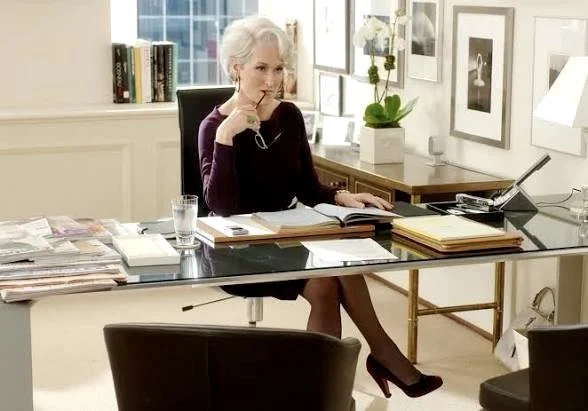
As early as 2006, The Devil Wears Prada accurately captured the power and desire dynamics inherent in fashion.
At the center, Miranda Priestly — an authoritative figure who has become an aesthetic as well as a cultural reference.
An undiminished stylistic influence
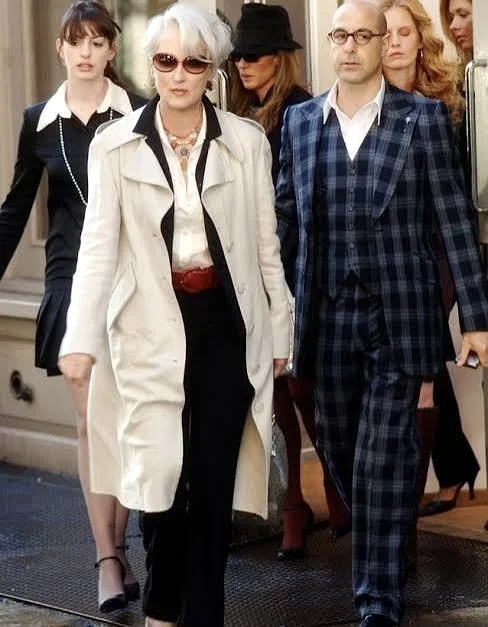
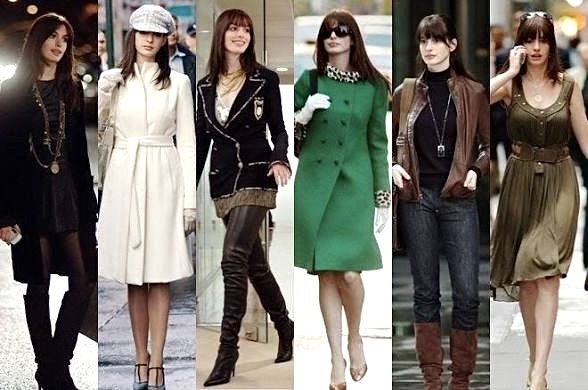
Precise tailoring, neutral palettes, controlled allure — these codes still dominate today, from quiet luxury to the silhouettes of “editor-in-chief”.
Clothing becomes a language, a tool of authority and storytelling.
The film's success also stems from its timing: between nostalgia for the 2000s, fascination with the behind-the-scenes world of luxury, and the constant circulation of images on social media.
An influence that still resonates
It's hard not to see a particular resonance in this return.
Beyond the film, it is a whole way of thinking about fashion — more demanding, more constructed — that continues to influence perspectives and narratives.
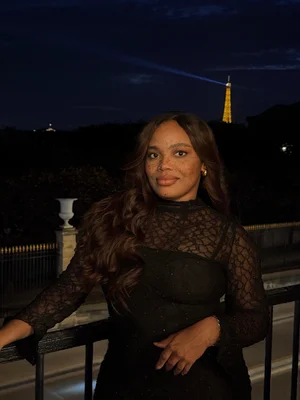
The looks seen at the French premiere are proof of this:
an aesthetic somewhere between homage and reinterpretation, where the film's style continues to project itself into reality.
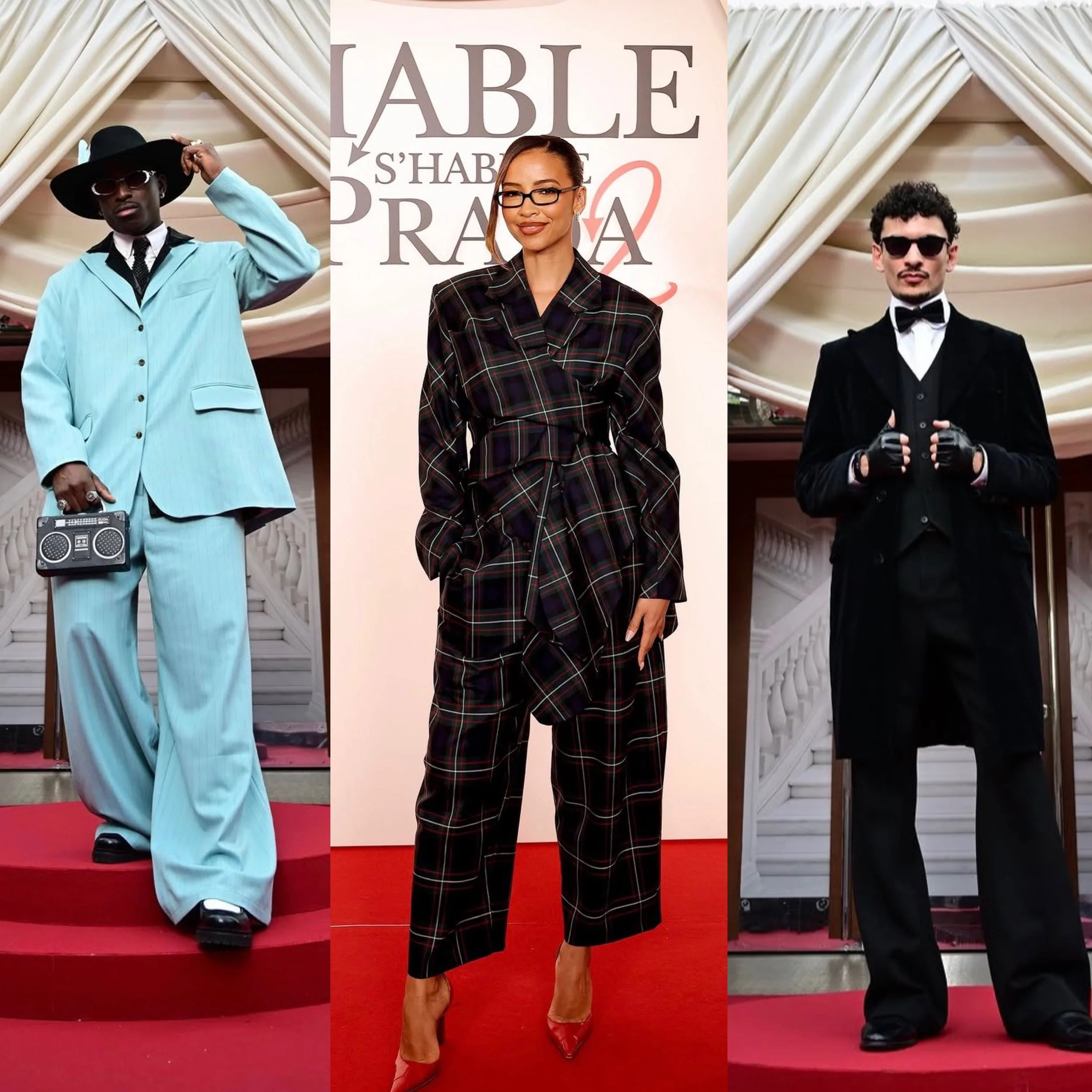
More than a comeback, The Devil Wears Prada 2 acts as a catalyst.
That of an undiminished fascination with a codified, demanding — and profoundly desirable fashion.
And judging by the first looks revealed, the film's wardrobe could well become one of the major style references of the year.
A full review of the most striking silhouettes is coming soon to The Céline Édit.